OpenAI's introduction of advertising on ChatGPT has become one of the notable developments in the digital marketing industry. Turning a platform where users ask questions, compare products, receive recommendations, and shape their purchasing decisions into an advertising space creates new opportunities for brands.
Moreover, this change is not limited to global brands. With OpenAI's expansion of its advertising sales network to include Türkiye in November 2026, ChatGPT Ads is also becoming a new marketing channel for advertisers based in Türkiye.
How Do ChatGPT Ads Work?
ChatGPT ads offer a different user experience compared to traditional digital advertising models. While users typically enter specific keywords into search engines to find results, ChatGPT allows them to describe their needs through natural conversation.
For example, a user looking to buy a new computer can explain their budget, intended use, and technical requirements instead of simply searching for computer models. ChatGPT then helps them evaluate different options based on this information.
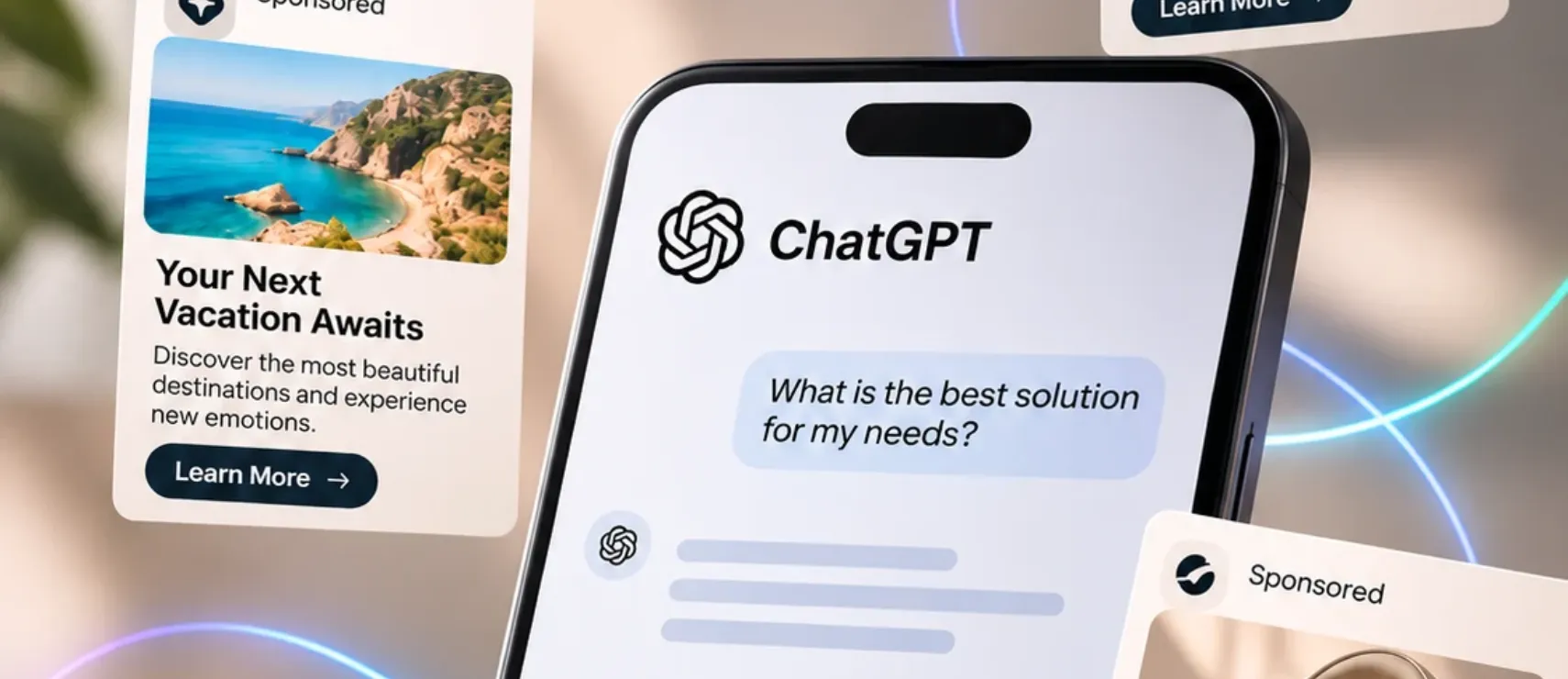
The advertising system can present relevant sponsored content by considering the context of the user's current conversation and the relevance of the advertisement. Ads are displayed below responses or in designated advertising spaces, with clear labels identifying them as sponsored content.
One important detail is that, according to OpenAI's stated advertising principles, ads do not influence the responses generated by ChatGPT. Advertising content remains separate from organic responses, and advertisers do not have access to users' private conversations.
OpenAI's Journey into Advertising
The era of advertising on ChatGPT began with a testing phase launched in the United States on February 9, 2026. Initially, ad placements were tested with eligible adult users on the Free and Go plans.
As the process progressed, the advertising platform expanded into different countries and new advertising formats were developed. The visual advertising format announced in October 2026 introduced new opportunities for brands to promote their products through images rather than relying solely on text.
With its expansion announcement on October 21, 2026, ChatGPT Ads became available in 89 markets. In the same announcement, OpenAI stated that more than 100,000 advertisers had run campaigns on the platform to date.
On November 12, 2026, OpenAI announced a partnership with Aleph to provide local sales, billing, and support services in 44 additional countries, including Türkiye.
These developments show that ChatGPT advertising is evolving from a limited test into a rapidly expanding global advertising platform.
What Do ChatGPT Ads Mean for Brands?
The introduction of advertising on ChatGPT creates a new touchpoint through which brands can reach their target audiences. However, the opportunity offered by this platform goes beyond simply displaying ads in a different place.
In traditional digital advertising, users typically encounter ads while visiting a website, watching a video, or browsing social media. On ChatGPT, however, users arrive with a specific need and actively evaluate their options.
This creates a different communication opportunity for advertisers.
For example, while a user is planning a trip and researching hotels and transportation options, brands offering relevant services may appear through sponsored advertisements. Similarly, users searching for a new phone, software, or home appliance may encounter ads related to their research.
The key opportunities this new channel offers brands include:
-
Intent-based targeting: Promoting products and services related to the topics users are exploring.
-
Customer acquisition: Reaching potential customers beyond traditional advertising channels.
-
Visibility throughout the purchasing journey: Making brands visible while users evaluate their options and approach a purchasing decision.
-
New advertising formats: Creating different communication experiences through text- and image-based advertising models.
-
New measurement opportunities: Evaluating ad performance through indicators such as clicks and conversions.
The Difference from Traditional Search Advertising
On search engines such as Google, advertisements are generally shaped by the keywords users enter and their search intent. On social media platforms, users' interests, interactions, and behavior within the platform play an important role.
ChatGPT advertising introduces a different approach centered around conversational context.
Instead of simply searching for a product by name, users can explain what they need, which features they value, and what requirements they have. This allows the context behind an advertisement to become more comprehensive than a single keyword.
This approach signals a new era in advertising, one that focuses not only on what users search for but also on what they are trying to achieve.
Trust and Privacy in AI Advertising
Advertising on AI-powered platforms also raises important questions about user privacy and trust. This is because users do not rely on ChatGPT solely for product research; they also use it to discuss personal matters, plan their work, and make various decisions.
For this reason, where and how advertisements are displayed is particularly important.
OpenAI states that advertisers cannot access users' private conversations and that customer data is not sold to advertisers. The company also emphasizes that ads are clearly labeled and do not alter ChatGPT's responses.
According to the platform's announced approach, ads are displayed only to eligible users on the Free and Go plans, while Plus, Pro, Business, Enterprise, and Edu plans remain ad-free.
This approach highlights the importance of maintaining user trust as advertising continues to develop across AI platforms.
New Advertising Channels in Digital Marketing
The expansion of ChatGPT advertising suggests that digital marketing strategies may become more diverse over time. Brands may increasingly look beyond visibility on search engines and social media feeds, exploring new digital spaces where users seek information and shape their decisions.
This transformation may require advertisers to develop new approaches across different areas, from content strategies and audience analysis to campaign planning and performance measurement.
As AI-powered search becomes more widespread, brands' digital visibility will no longer be evaluated solely through traditional search results. How users encounter brands while seeking information on AI platforms will also become an important part of digital marketing strategies.
Frequently Asked Questions
Are ChatGPT ads available in Türkiye?
As of November 2026, OpenAI has included Türkiye among the countries receiving local sales and advertising support for ChatGPT Ads. Advertisers can create campaigns on the platform through eligible access methods.
Do ChatGPT ads influence its responses?
No. According to OpenAI's stated principles, sponsored advertisements are displayed separately from ChatGPT's generated responses and do not affect their content or ranking.
Which ChatGPT users see advertisements?
Ads may be displayed to eligible adult users on the Free and Go plans. Plus, Pro, Business, Enterprise, and Edu plans remain ad-free.
The New Destination for Advertising: AI Platforms
The introduction of advertising on ChatGPT shows that digital marketing is entering a new phase of transformation. AI platforms, where users search for information, compare options, and make decisions, are creating new communication opportunities for brands. This development indicates that advertising strategies in the coming years will extend beyond traditional digital channels.
As the new generation creative and digital advertising agency Babel, we see changes in the digital world as new opportunities for brands. By closely following artificial intelligence, advertising technologies, and evolving user behaviors, we focus on helping brands establish their presence on the right channels with the right strategies. Because the future of digital marketing is not simply about being present on new platforms, but about making the most of their potential through the right communication approach.