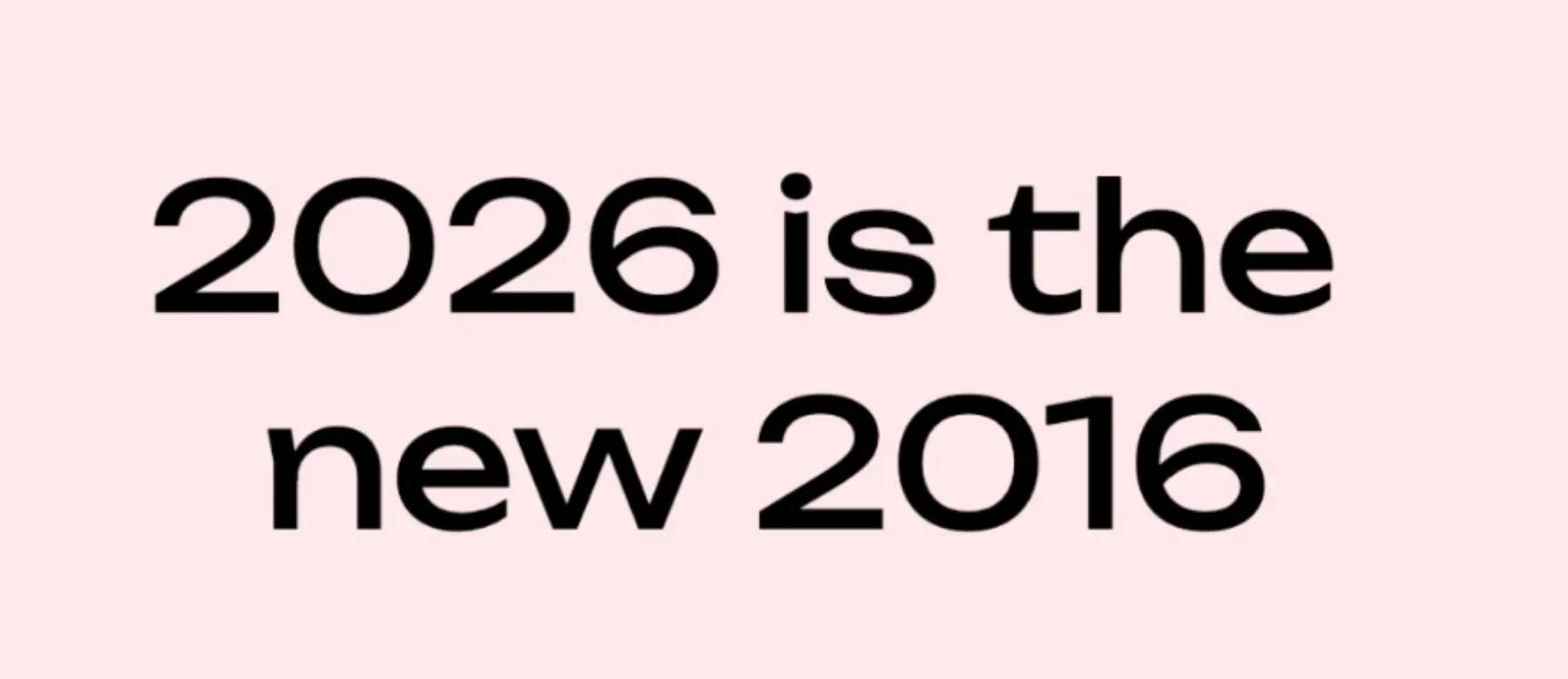
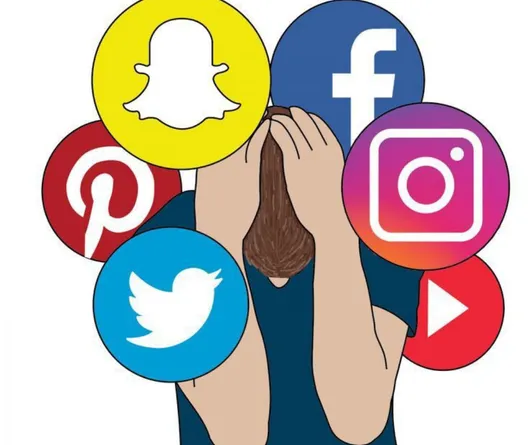
In 2026, the internet is looking back. One of the most noticeable trends on TikTok and Instagram has been the return of 2016-inspired content. Old photos, Snapchat filters, low-resolution videos, music from the era, and the internet humor of the time are making a comeback.
The “2026 is the new 2016” trend may seem like simple nostalgia at first. But look a little closer, and it starts to say something more about the way we experience the internet today.
Why Does 2016 Matter So Much?
2016 was a time when social media felt less fragmented than it does today. Instagram had not yet become a space where everyone seemed to follow the same visual language. Snapchat offered a more spontaneous way to communicate, while platforms like Vine and Musical.ly were shaping internet culture in their own ways.
Content was messier. Photos were lower quality. Filters were obvious. Many things we might now describe as “amateur” were simply part of what the internet looked like.
Maybe what people miss is not actually 2016, but a time when the internet felt less calculated.
Less Perfect, More Real
Creating content has never been easier. Cameras are better, editing tools are more advanced, and anyone can create something that looks professionally produced within seconds.
But that progress has also created a certain sameness. The same transitions, similar video pacing, familiar color palettes, and constantly recycled formats have brought digital content closer together.
That is why the return of the 2016 aesthetic feels significant. Old photos with imperfections, overly obvious filters, and casually recorded videos can now feel more authentic.
As digital perfection increases, imperfection is becoming an aesthetic of its own.
An Internet We Shared
Today, everyone experiences a slightly different internet. Algorithms build personalized worlds around our interests. A topic that dominates one person’s feed might never appear on someone else’s.
This is another reason the nostalgia for 2016 feels relevant.
A viral video, song, or internet joke could reach a much broader audience at the same time. The internet created a stronger sense of shared culture. Today, content consumption is more personal, fragmented, and fast-moving.
So the nostalgia for 2016 may not simply be about old photos or trends. It may also be about missing a shared internet experience.
Was the Past Really Better?
Of course, 2016 was not a perfect era. It had its own problems, trends, and toxic sides of internet culture. When we look back, we tend to remember the fun and lighter parts while forgetting the rest.
That is how nostalgia works.
We rarely remember the past exactly as it was. We remember how it made us feel.
That is why the “2026 is the new 2016” trend may not really be about going back to 2016. It may be about bringing back things we feel we have lost: more spontaneous content, less polished visuals, shared experiences, and a more playful internet.
Where Is the Internet Going Next?
Digital culture may constantly move forward, but aesthetics and behaviors do not always follow a straight line. Sometimes, something new comes from rediscovering something old.
The return of 2016 is a good example.
Perhaps the future of the internet does not always have to be more technological, more polished, or faster. Sometimes, people are looking for something that feels more familiar, spontaneous, and real.
At Babel, we do not just follow these changes in digital culture; we look at the behaviors and ideas behind them. Because a good creative idea is not only about catching the next trend, but understanding why people are drawn to it in the first place.